

Skip to content

    Wild Windows · African Lion

    African Lion

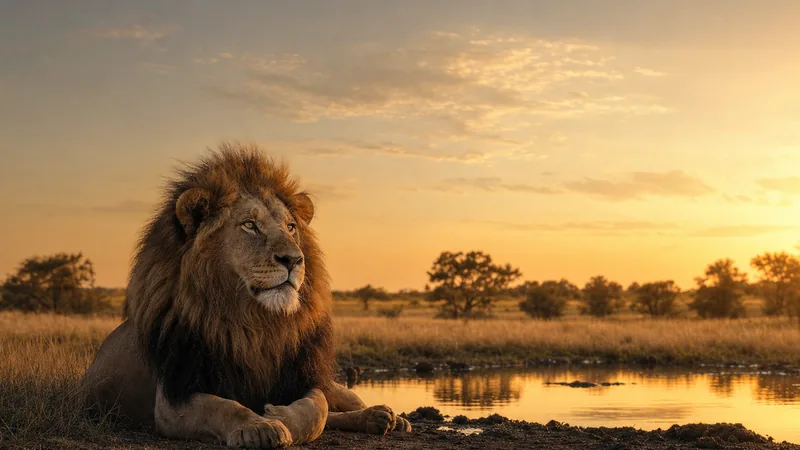
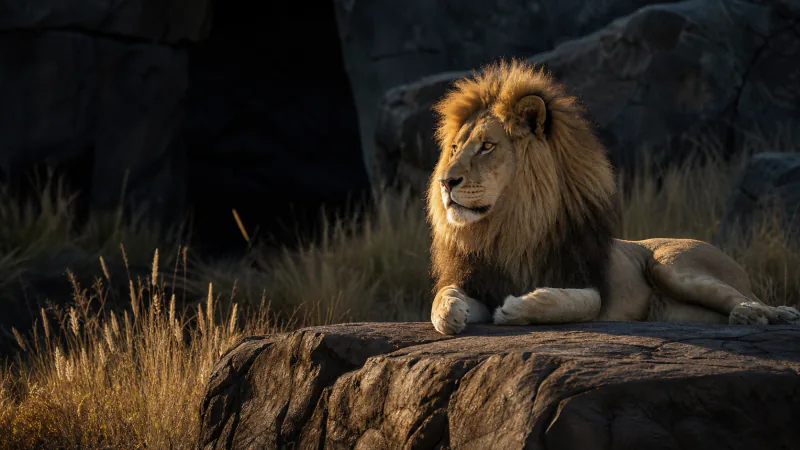
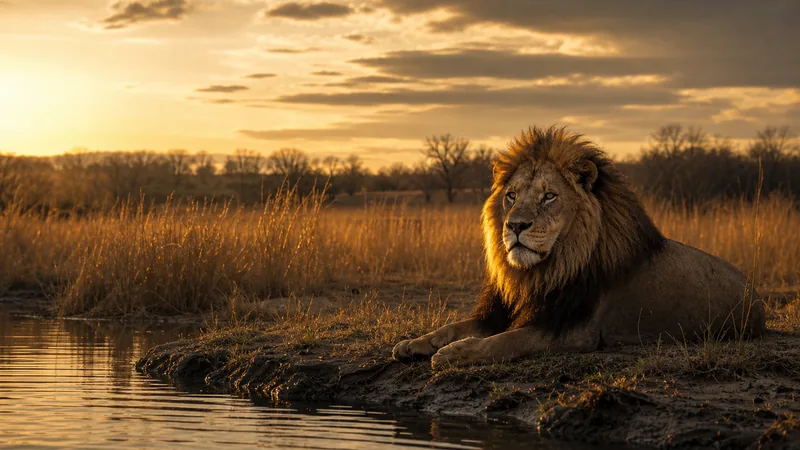
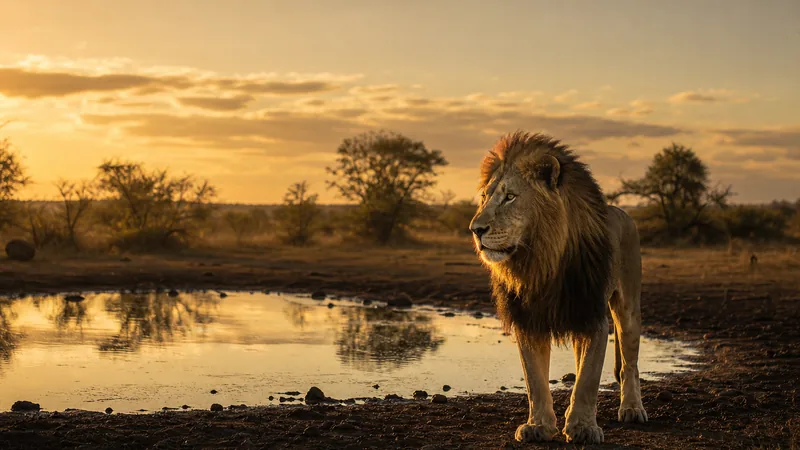
    Panthera leo

    ← All species
    VUVulnerableAlso known as: Lion

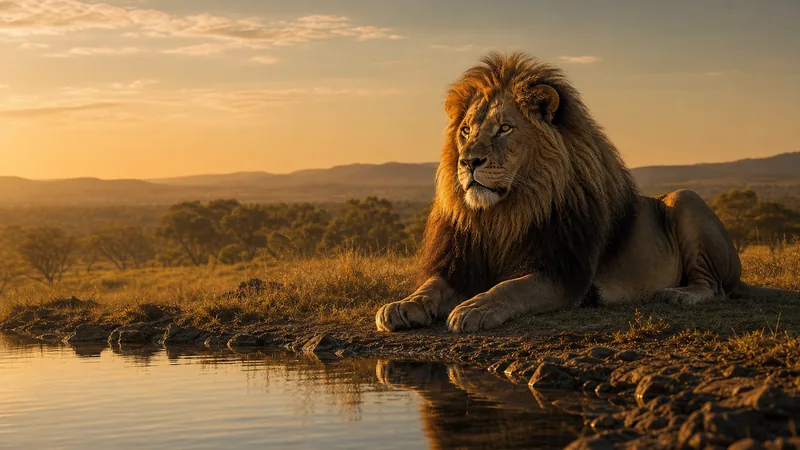
    Africa's largest cat and the only big cat that lives in social groups. Lion populations have declined by an estimated 43% over the past two decades, with strongholds remaining in Botswana, Tanzania, Kenya, and South Africa.

    Natural History

    Habitat

    Savanna, grassland, and open woodland across sub-Saharan Africa, with a small isolated population in India's Gir Forest.

    Diet

    Carnivore: wildebeest, zebra, buffalo, and other large herbivores. Females do most of the hunting; males defend territory.

    Lifespan

    About 14 years in the wild for females; males rarely exceed 10 due to fights over pride takeovers.

    Behavior

    Live in prides typically of 10 to 15 individuals — related females, their cubs, and a coalition of males. Roars can be heard up to 8 km away.

    Classroom Facts

    • A lion's roar is the loudest of any big cat and serves to mark territory.
    • Female lions do roughly 90% of the hunting.
    • Cubs spend the first six weeks hidden away from the pride to protect them from predators.

    Live Cameras

    7 african lion cameras in the catalog.

    Each listing shows its current source, permission, and playback-verification state.

    Use This With

    Free classroom resources for african lion.

    Printable, photocopy-friendly, designed by educators. Pair them with any cam featuring this species.

    Ethogram

    Behavior Observation Ethogram — Mammal Edition

    Research-style ethogram for grades 6–12. Two pages: definitions of 12 mammal behaviors, plus a 30-minute one-zero observation log students fill in during a cam watch. Compatible with our giant panda, African elephant, sea otter, African lion, polar bear, mountain gorilla, and red panda pages.

    Grades
    6-8, 9-12
    Duration
    45 min
    Subjects
    biology, ecology, data_collection
    Download PDF
    Species Card

    Species ID Cards — Mammals

    A printable deck of illustrated identification cards for the mammals featured across Wild Windows cams — common name, scientific name, conservation status, range, and a standout fact. Cut them out for a sorting activity or a matching game.

    Grades
    3-5, 6-8
    Duration
    20 min
    Subjects
    biology, ecology
    Download PDF