Skip to content

    Wild Windows · Polar Bear

    Polar Bear

    Ursus maritimus

    ← All species
    VUVulnerableAlso known as: White Bear

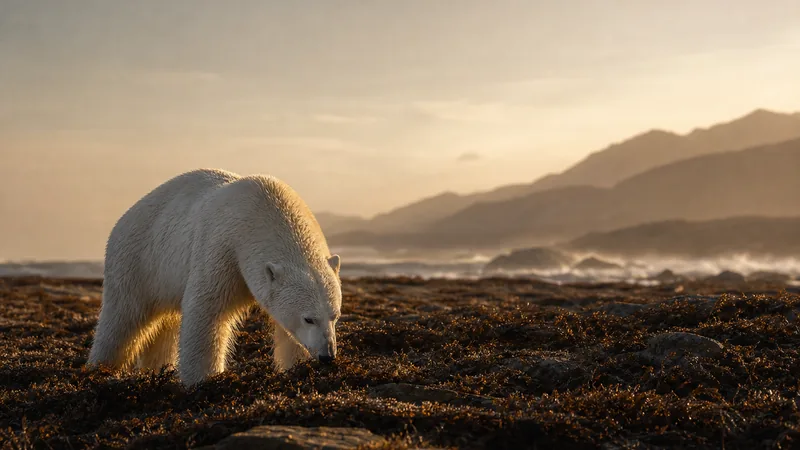
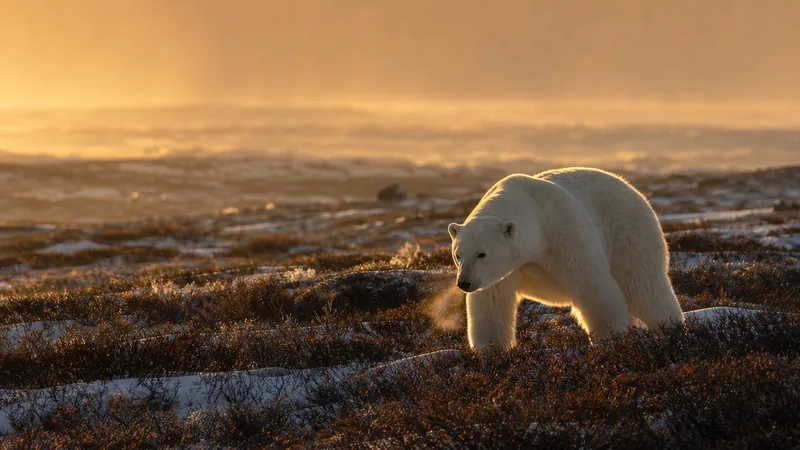
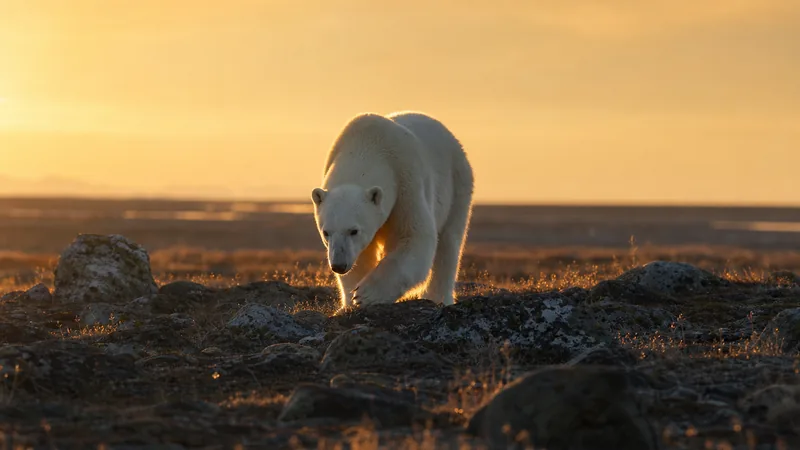
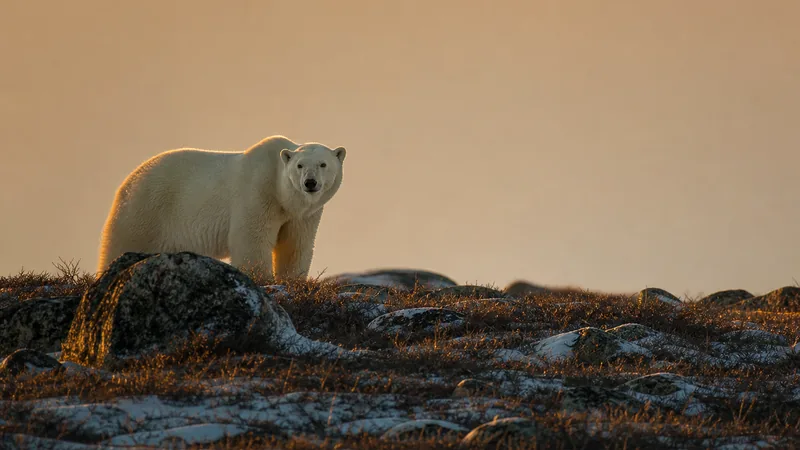
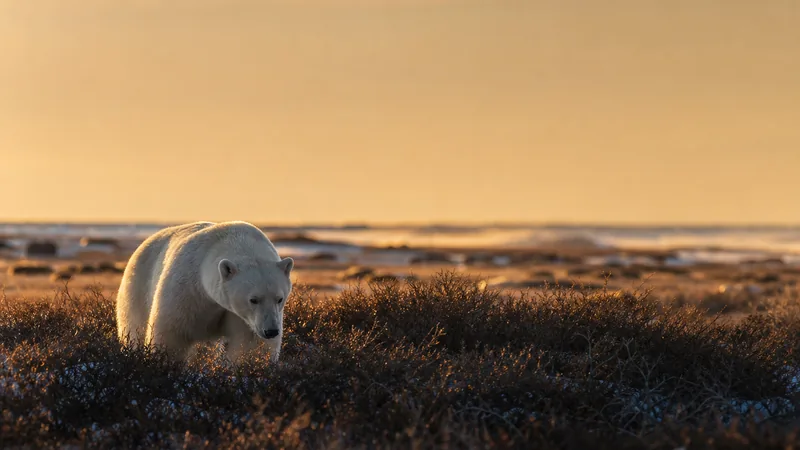
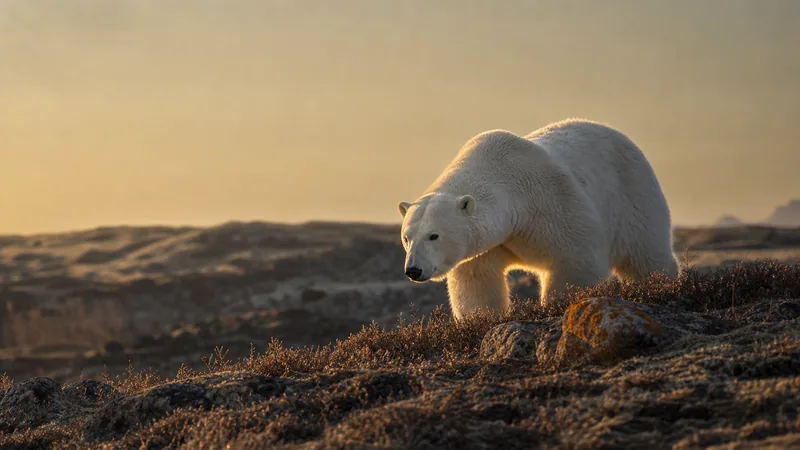
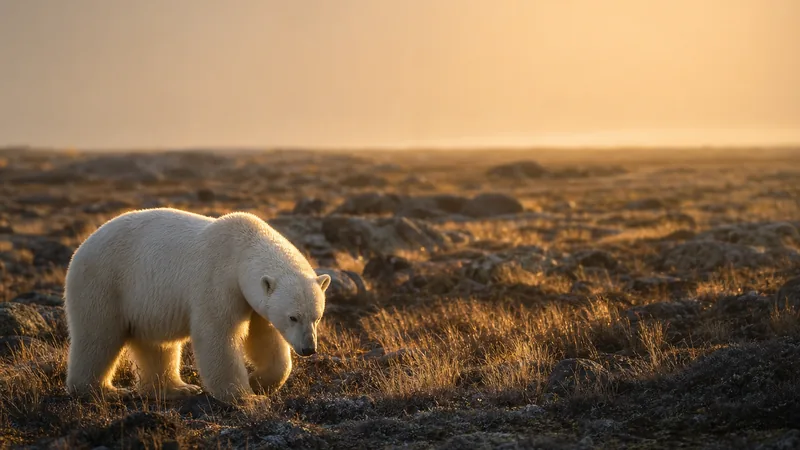
    The Arctic's apex predator and the world's largest land carnivore. Polar bears depend on sea ice as a hunting platform — making them one of the species most directly threatened by climate change.

    Natural History

    Habitat

    Sea ice across the Arctic Ocean and adjacent seas; denning sites on land in northern Canada, Alaska, Russia, Greenland, and Norway.

    Diet

    Carnivore — primarily ringed and bearded seals, hunted from the edge of the sea ice.

    Lifespan

    25 to 30 years in the wild.

    Behavior

    Solitary except during breeding and when mothers raise cubs. An adult male can weigh over 700 kg yet move silently across the ice. Black skin under translucent fur absorbs heat from the sun.

    Classroom Facts

    • Polar bear fur is not white — each hair is hollow and translucent, scattering light to appear white.
    • A polar bear can swim continuously for days, covering hundreds of kilometers between ice floes.
    • Newborn cubs are smaller than a guinea pig and stay in the den with their mother for months.

    Live Cameras

    7 polar bear cameras in the catalog.

    Each listing shows its current source, permission, and playback-verification state.

    Use This With

    Free classroom resources for polar bear.

    Printable, photocopy-friendly, designed by educators. Pair them with any cam featuring this species.

    Ethogram

    Behavior Observation Ethogram — Mammal Edition

    Research-style ethogram for grades 6–12. Two pages: definitions of 12 mammal behaviors, plus a 30-minute one-zero observation log students fill in during a cam watch. Compatible with our giant panda, African elephant, sea otter, African lion, polar bear, mountain gorilla, and red panda pages.

    Grades
    6-8, 9-12
    Duration
    45 min
    Subjects
    biology, ecology, data_collection
    Download PDF
    Species Card

    Species ID Cards — Mammals

    A printable deck of illustrated identification cards for the mammals featured across Wild Windows cams — common name, scientific name, conservation status, range, and a standout fact. Cut them out for a sorting activity or a matching game.

    Grades
    3-5, 6-8
    Duration
    20 min
    Subjects
    biology, ecology
    Download PDF