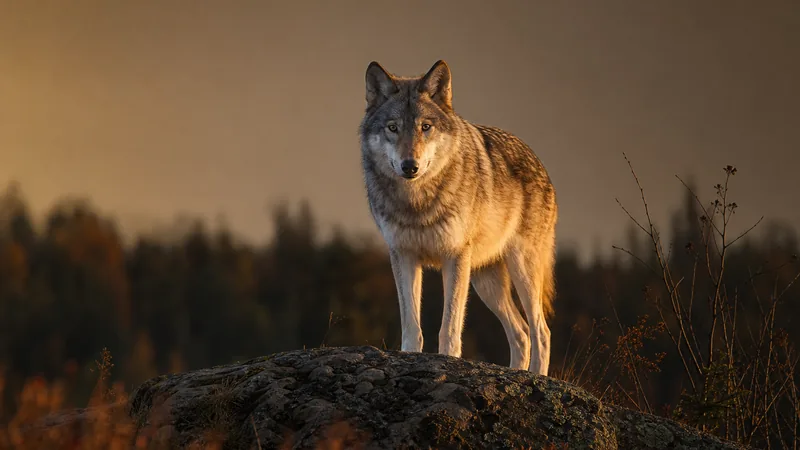
Wild Windows · Gray Wolf
Gray Wolf
Canis lupus
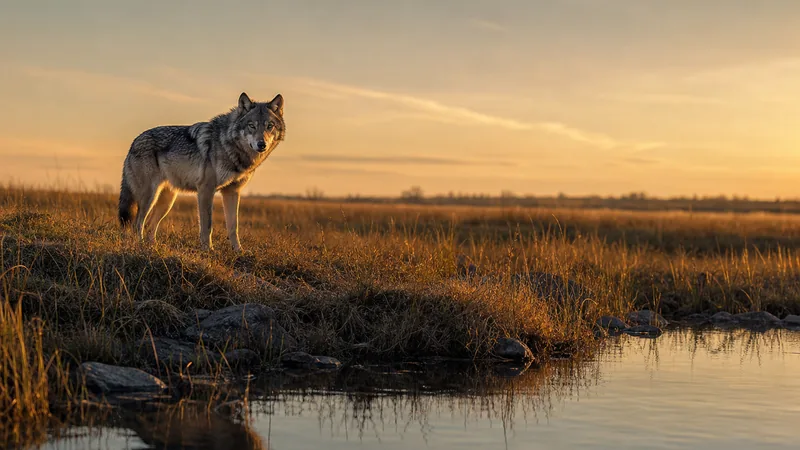
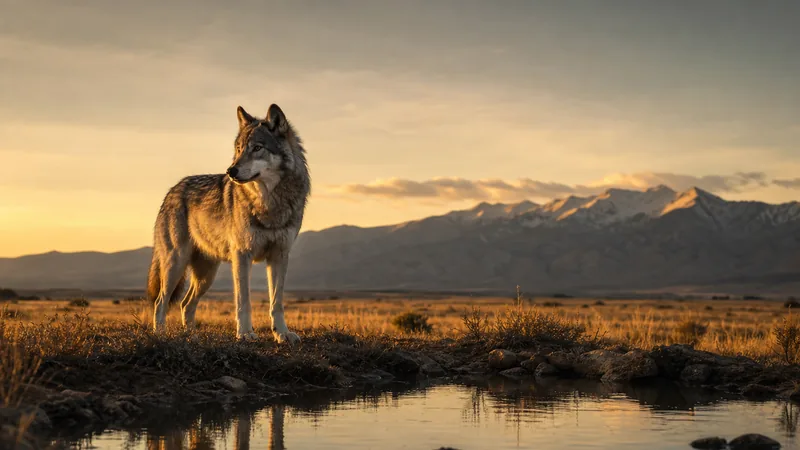
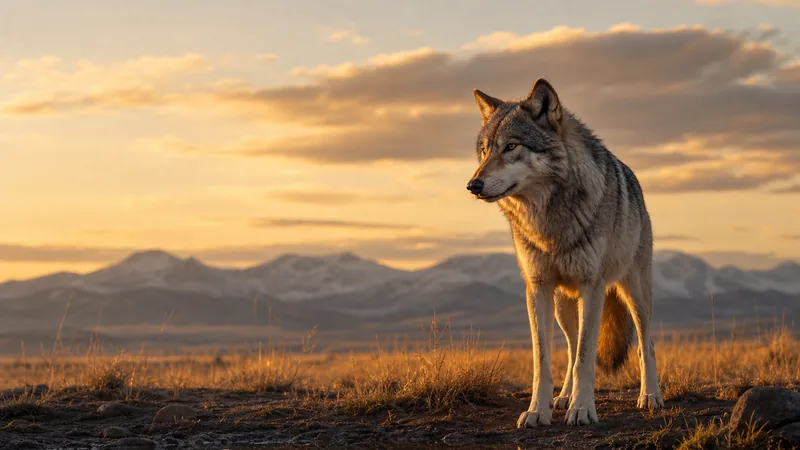
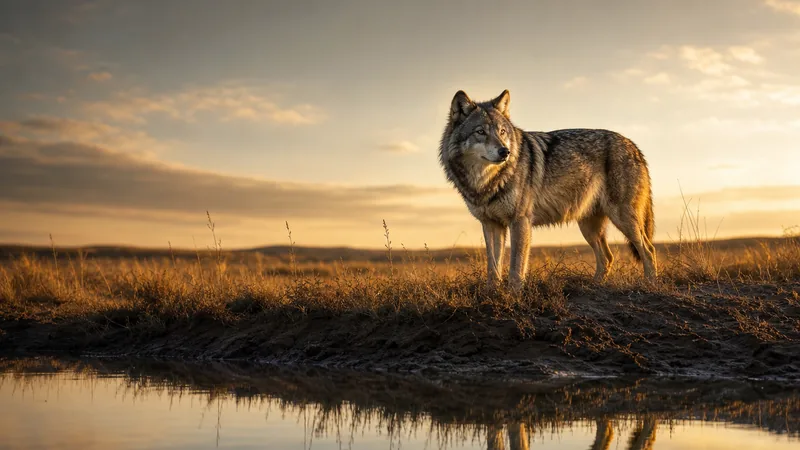
The largest member of the dog family and the ancestral species of domestic dogs. Once the most widely distributed land mammal on Earth, gray wolves were extirpated from most of their range in the twentieth century and are now slowly recovering across parts of North America and Europe.
Natural History
Habitat
Forests, tundra, grasslands, and mountains across the Northern Hemisphere — anywhere with sufficient prey and refuge.
Diet
Primarily large hoofed mammals (deer, elk, moose, caribou), supplemented by smaller animals and scavenged carrion.
Lifespan
6 to 8 years in the wild; up to 17 in human care.
Behavior
Lives in family groups (packs) led by a breeding pair. Cooperative hunting, denning, and pup-rearing are central to wolf social life. Communicates through howls, body language, and scent.
Classroom Facts
- A wolf howl can be heard up to 16 km away in the right conditions.
- Every domestic dog descends from gray wolves domesticated 20,000 to 40,000 years ago.
- Wolves don't bark much — they prefer howls, whines, and growls.
Live Cameras
5 gray wolf cameras in the catalog.
Each listing shows its current source, permission, and playback-verification state.