Wild Windows · Brown Bear
Brown Bear
Ursus arctos
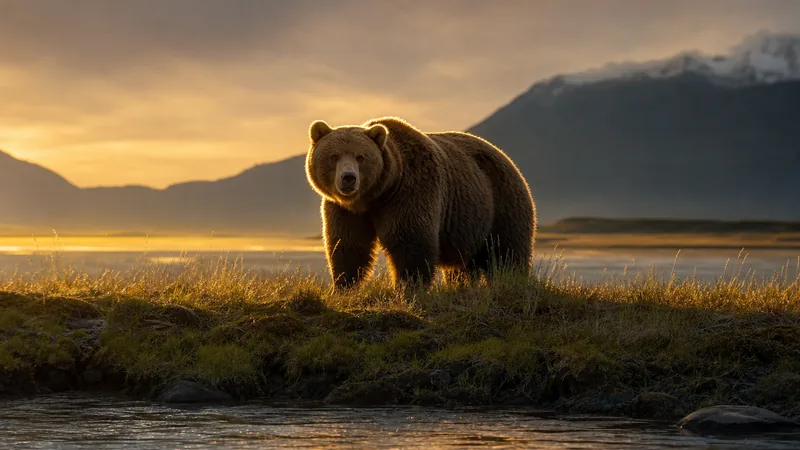
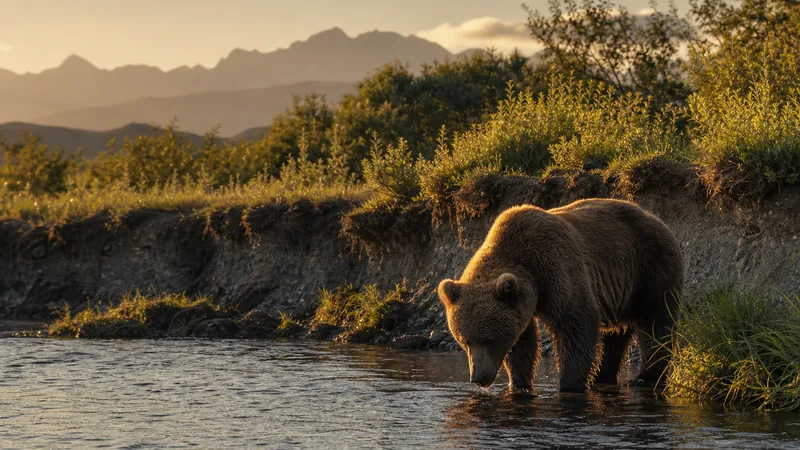
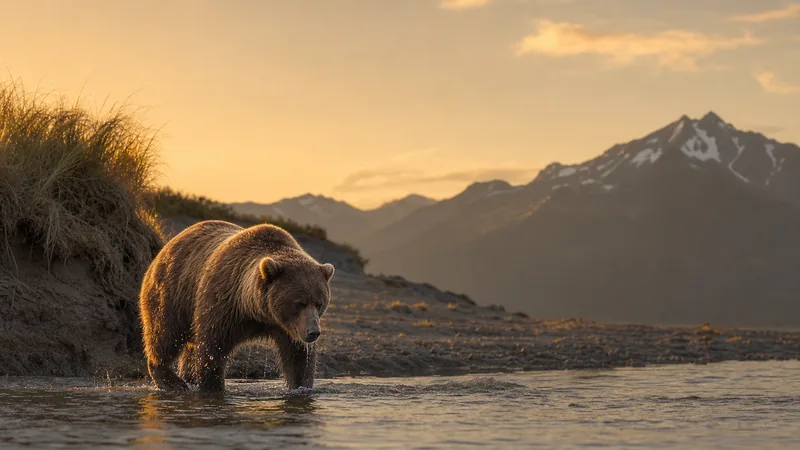
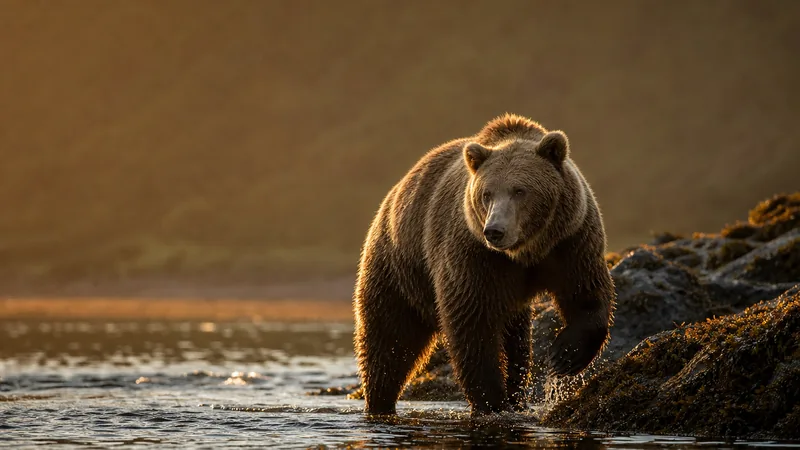
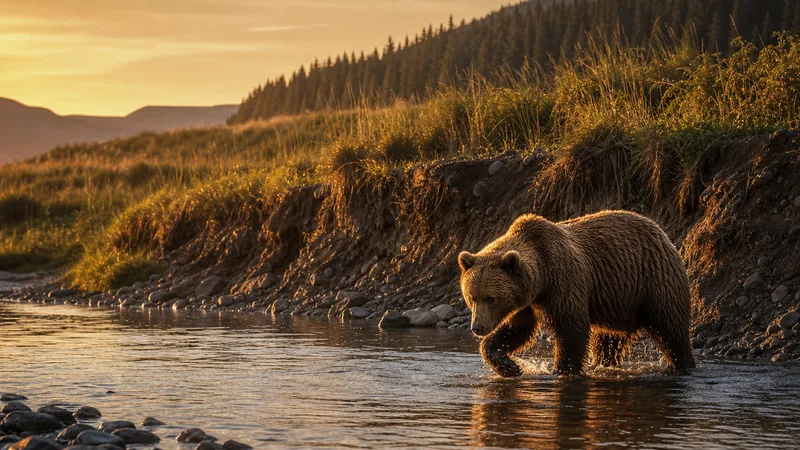
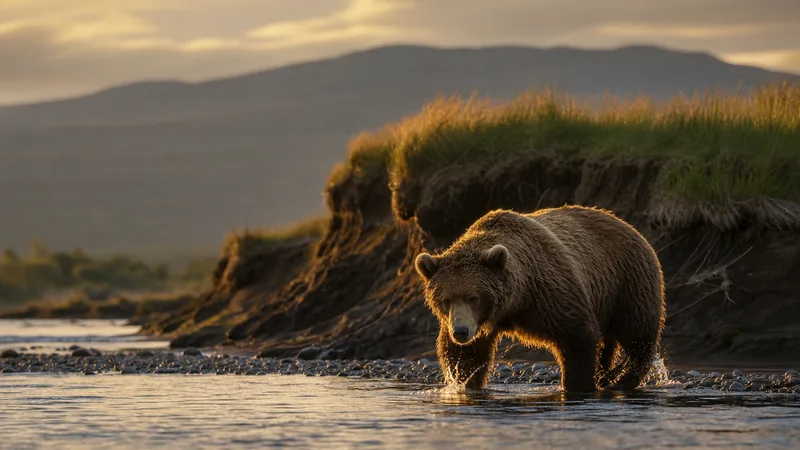
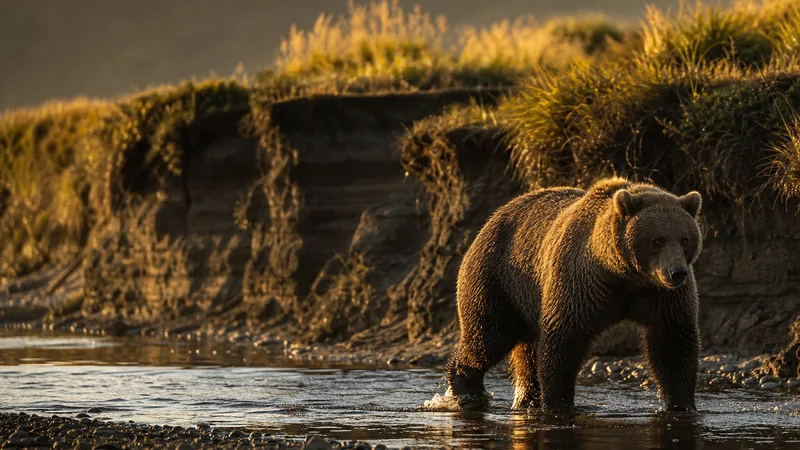
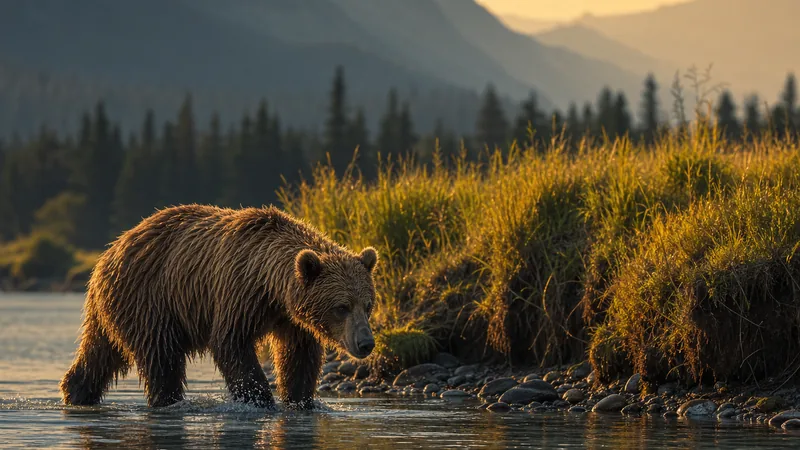
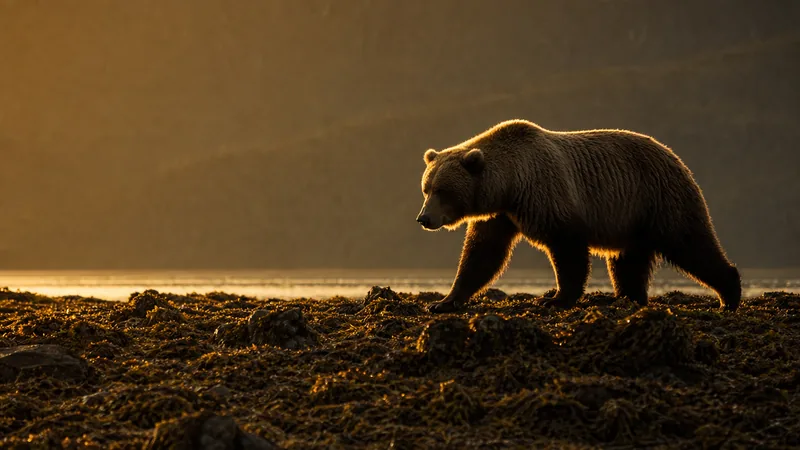
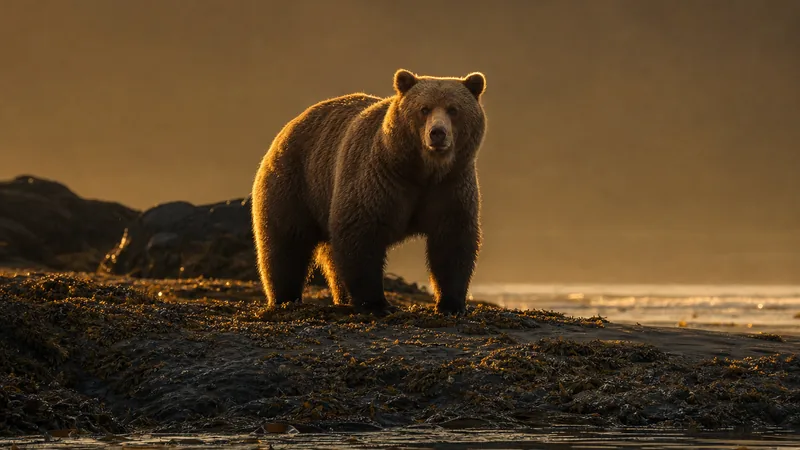
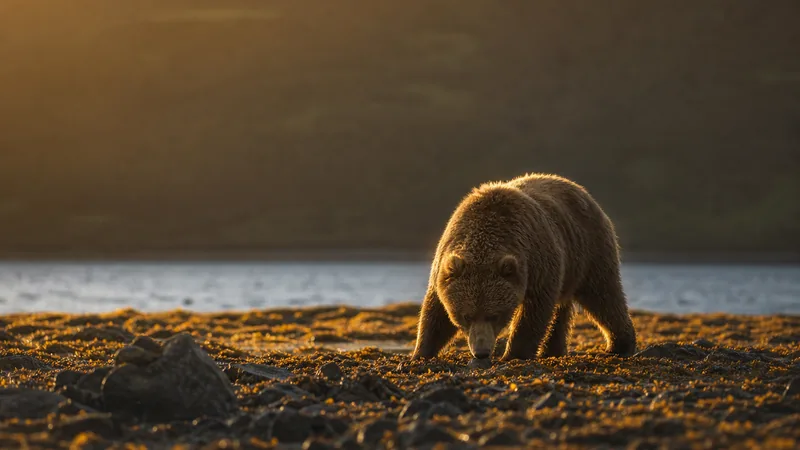
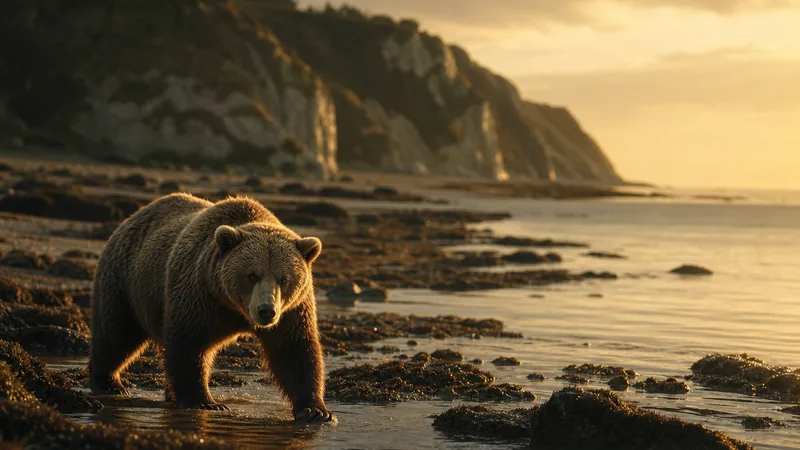
One of the largest land carnivores on Earth, with coastal Alaskan populations sometimes exceeding 600 kg. Highly intelligent and adaptable, brown bears range from the high Arctic to the Mediterranean. The most famous populations gather at Alaska's Brooks Falls each summer to catch migrating sockeye salmon.
Natural History
Habitat
Tundra, boreal forest, temperate rainforest, alpine meadows, and coastal salmon streams across the Northern Hemisphere.
Diet
Omnivorous: grasses, roots, berries, salmon, ungulates, ground squirrels, and carrion. Coastal populations gain enormous weight during salmon runs.
Lifespan
20 to 30 years in the wild.
Behavior
Generally solitary except for mothers with cubs and concentrated salmon-run gatherings. Mothers fiercely defend cubs for two to three years. Hibernate for up to seven months in colder ranges.
Classroom Facts
- A coastal brown bear can put on 1.5 kg per day during the salmon run.
- Each bear at Brooks Falls is recognized by Katmai staff and given a number; some have names like Otis (480) and Bear 747.
- Brown bears can run up to 56 km per hour over short distances.
Live Cameras
1 brown bear camera in the catalog.
Each listing is hand-verified for source, permission status, and viewing quality.